You may have been using kerosene for many years, or you may be completely new to this versatile heating oil. Either way, we’ve put together 9 facts about kerosene that you may not know about.
What is kerosene?
Kerosene oil is a flammable liquid which is used in many industries and homes around the world as a fuel for light, heat and power. It is generally non-viscous and clear, however viscous substances such as wax and other thicker substances can be made from kerosene.
Kerosene is also known as paraffin or kero, (although there are differences between kerosene and paraffin beyond a shared name). It is an incredibly versatile fuel which can be used for lots of varying applications.
Since the earliest records of distillation in the 9th-century, kerosene has managed to stay with the times, especially with the help of those who have discovered improved methods of distilling it and helped shape kero into such a robust and reliable fuel which we have at our disposal today.
What are the uses of kerosene?
Kerosene’s uses vary dramatically from fuel for oil lamps to cleaning agents, jet fuel, heating oil or fuel for cooking. It can be used safely and efficiently to get great results in many areas. There are few oils which can be used in such a wide range of applications and its low cost makes kerosene a very popular oil among many people.
Uses of kerosene are generally popular for heat and power, but as you can see, kerosene is capable of more than just those two functions. We’ll cover more useful applications of kerosene in this post.
9 more facts you probably didn’t know about kerosene…
1. How is kerosene made?
The production of kerosene oil is a straightforward process nowadays. Kerosene fuel is a petroleum product that is produced by separating the compounds which make up crude oil.
This process is known as ‘fractional distillation’ and leaves a clear and thin oil which is roughly 0.81 g/cm³ (gram per cubic centimetre) in density. The actual density of kerosene is 0.82 g/cm³ and 0.8 g/cm³ for paraffin. However, because the two oils are practically exact matches, it’s best to find a happy medium and 0.81 g/cm³ is that figure.
So, why does the density of kerosene matter to us? The greater the fuel density, the greater the mass of fuel that can be stored in a given tank and the greater the mass of fuel that can be pumped from a given pump. This is important to many people who work in industries which rely on fuels like kerosene and the fine calculations needed to get the most out of weight and power.
We imagine only smart petroleum-passionate cookies to be reading a post like this and so you probably already know most of the kerosene facts above, but here are:
2. Who invented/discovered kerosene?
The first known written records about the kerosene distillation process were written by a famous Persian scholar called Rāzi (Muhammad ibn Zakariya al-Razi). In his Kitab al-Asrar (Book of Secrets), he described two methods for the production of kerosene.
Later during the Chinese Ming Dynasty (1368–1644), the Chinese were making kerosene through the extraction and purification of petroleum which was then converted into lamp fuel. Even before this, it’s said that the Chinese were making use of petroleum for lighting lamps and heating homes as early as 1500 BC.
By the 1700s, “coal oil” as it was known, was well known by industrial chemists as a by-product of the production of coal gas and coal tar. However, it was never seen as viable lamp oil for indoor illumination as it would burn with a smoky flame.
Instead, indoor lamps would use the far more popular whale oil (specifically that from sperm whales), which burned brighter and cleaner than other types of oil around at the time.
Moving forward to 1846 in Charlottetown, Prince Edward Island in Canada. The Canadian geologist Abraham Pineo Gesner claimed he’d given his first public demonstration of a new process he had discovered which made an “excellent lamp fuel”.
3. Why was kerosene called kerosene?
The name was coined by the Canadian geologist Abraham Pineo Gesner, a contraction of “keroselaion”, from the Greek “keroselaion” meaning wax-oil. However, it would be further 8 years before he’d register a trademark on the name “kerosene” in 1854.
This may have been due in part to the discovery and subsequent patents taken out by Scottish chemist James Young on the fuel he’d discovered in 1847. He then went on to patent his process in 1850 and later in 1852, a US patent was taken out for the production of paraffin oil by distillation of coal. This, in turn, meant that other producers were obliged to pay him royalties.
Most likely due to this rise in popularity of both oils, Abraham Pineo Gesner would go on to take out his trademark on the name “kerosene”, with both kerosene and paraffin oil both competing for use in homes and businesses at the time.
4. How much kerosene is used worldwide?
Although the popularity of kerosene has dwindled with the introduction of gas and electricity to modern homes. There are still many homes in the UK and around the world which rely on kerosene for both heating and lighting.
In fact, throughout the world today, there are still roughly 1.2 million barrels of kerosene used per day for all purposes. A typical oil barrel holds 45 gallons or 205 litres, which equates to approximately 54,000,000 gallons or 246,000,000 litres respectively.
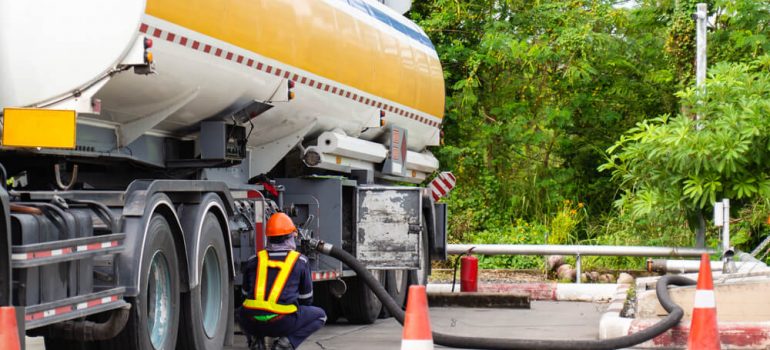
That’s a lot of kerosene! Especially considering that our customers’ orders rarely exceed a full oil tanker (36,000 litres), which is still a lot of kerosene. To put this into context, Nationwide Fuels tankers would be kept very busy on a day to day basis, as we’d be required to make over 6833 deliveries of kerosene each and every day!
Over the course of a year, the world’s total kerosene fuel usage is approximately 19,710,000,000 gallons – just short of 20 billion gallons! That’s almost 25 million oil tanker deliveries of kerosene each and every year. We think we might need to reconsider the size of our oil tankers to help us meet this type of demand!
5. Is kerosene is toxic/dangerous to humans?
Only a complete fuel would eat or drink kerosene purposely! Ingestion of kerosene is harmful and can be fatal. Kerosene is sometimes recommended as an old folk remedy for killing head lice, but health agencies warn against this type of kerosene use due to the risk of burns and serious illness.
Because of kerosene’s hatred towards all living things it has been found to be an effective pesticide. It is effective at killing a large number of insects, notably bed bugs and head lice. It can also be applied to stagnant waters in order to kill mosquito larvae. It smothers the insects’ tracheae with a thin film of paraffin, which prevents the exchange of oxygen. It must really bug the mosquitos!
6. Can kerosene be used as a cleaning agent?
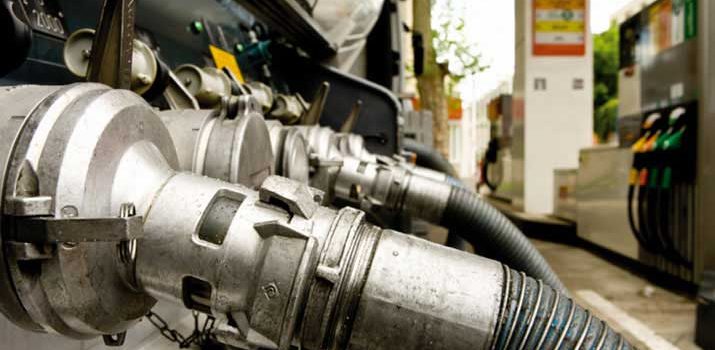
Another fact about kerosene which you may not know is that It can be used to clean bicycle and motorcycle chains of old lubricant oil before relubrication. It works really well and makes the job easy. It has great properties as a barrier fuel too and can be used to separate fuels so that they don’t become contaminated when pumping through a hose.
7. Do people still use kerosene as a lighting fuel?
Yes, they do. While it’s obviously not as common as it used to be, there are still many people who use kerosene for lighting purposes. Even the Amish, who generally avoid the use of electricity, rely on kerosene for lighting at night.
8. Is kerosene used in the entertainment industry?
Kerosene is often used in the entertainment industry for fire performances such as fire breathing, fire juggling and the art of fire dancing. It’s one of the more dangerous uses for kerosene! Remember though, kerosene is toxic to humans, so here is some good advice on what fire breathing fuel is the least toxic.
9. Is kerosene really used as rocket fuel?
Horses are powerful animals and horsepower is a great way of emphasising the power generated by engines. Rocket fuel kerosene (known as RP1 type kerosene fuel) is used in jet engines as rocket fuel by mixing it with oxygen.
The power created from this type of fuel mix is incredibly large. One example is the use of kerosene in the lift-off of the Saturn V rocket which took man to the moon.
The take-off for this particular rocket generated roughly 217 million horsepower. Imagine that in your car! A car that gets 30 miles to the gallon could drive around the world around 800 times with the amount of kerosene fuel the Saturn V used for the lunar landing mission.
In conclusion
As you can see from the facts above regarding various applications for kerosene, it’s a remarkable fuel which has certainly stood the test of time. It can be used for cleaning, powering rockets and even entertaining people on the stage.